


Chief of the SAAF: The past is important
Date: 28 July 2013


By Dean Wingrin
It is important that new and current members of the South African Air Force (SAAF) are reminded of the service's past whilst preparing for the future.
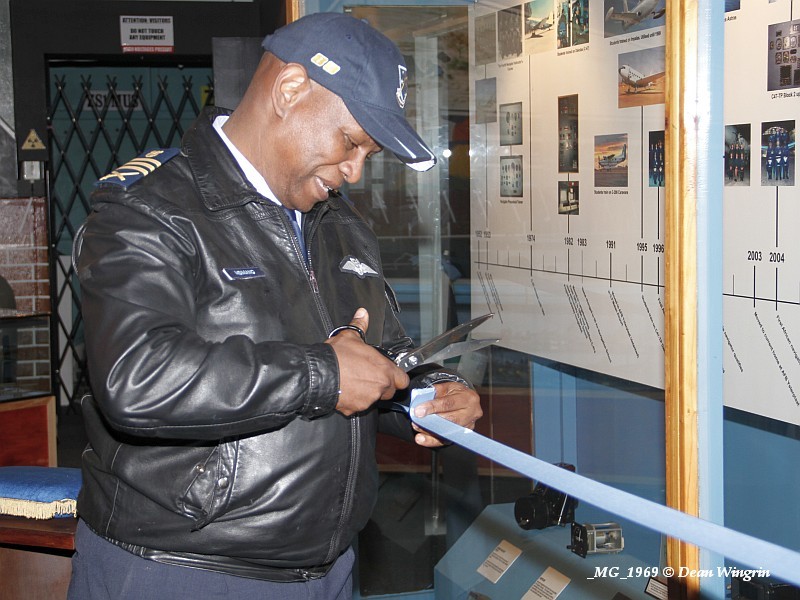
Speaking at the official opening of the 80 Air Navigation School (80 ANS) museum display at the SAAF Museum branch at Air Force Base Ysterplaat on Saturday 27 July, Chief of the Airforce, Lt Gen Fabian Msimang, recited the quote of "we do not inherit the earth from our ancestors; we borrow it from our children."
After the end of WW II it was decided not to training separate navigators any more. It was felt that pilots could adequately be trained to also perform the duties of navigators. Pilots were trained to perform navigator duties at the Air Gunnery and Navigation School.
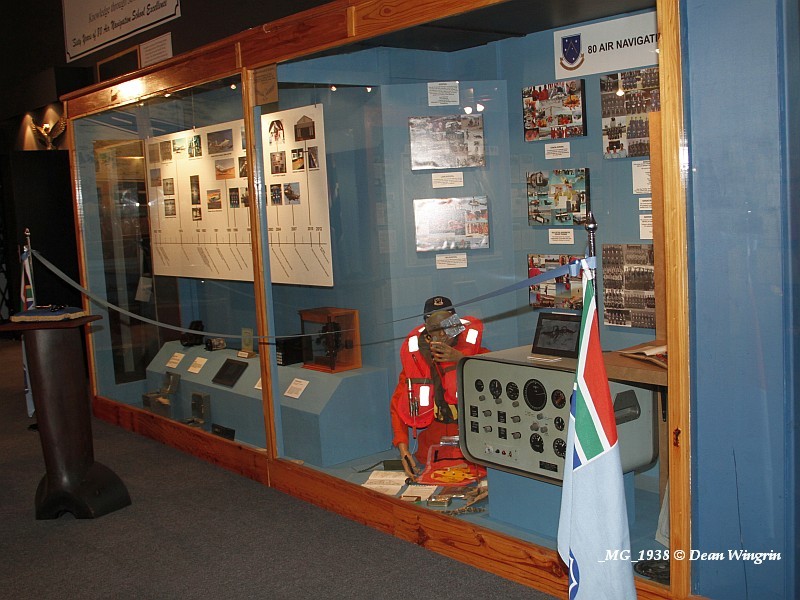
The policy was changed on 1 July 1952 and the renewed training of separate navigators started on 28 July 1952. The Navigation School (Air Operations School) relocated to Ysterplaat from January 1953, with the Air Navigation School being established as an autonomous unit with effect from 28 August 1953. The display at the Museum celebrates 60 years of navigator training by 80 ANS.
80 ANS continues to be responsible for basic navigation training and navigator instructor training within the SAAF. It also provides training in maritime operations, orientation for supporting aircrew members and survival training for all aircrews. The School does not operate its own aircraft, but borrows the C-47TP, Cessna Caravan and PC-7 MKII as required.
At the opening, Msimang noted the long and illustrious track record 80 ANS had in the history of the SAAF.
In the mid-1980's, then Chief of the SAAF, Lt Gen Denis Earp instituted a project in which each squadron had to prepare a unit history.
Referring to this project, Earp wrote in the foreword to the book Tumult in the Clouds by Dean Wingrin: "Obviously, the more material the historian has to work with, the more the history is likely to be accurate. This is the reason why I have encouraged members of the South African Air Force to write down their stories."
In a similar vein, Msimang said that he would like a room at each unit and base where the history of that unit would be depicted. This display would be separate from any that was already included in the SAAF Museum.
"We must make sure we recognise the past and we must also ensure we capture the present as we go forward," Msimang remarked.
"It is important," Msimang continued, "It must be part and parcel of our day-to-day activities. We must reflect that."
Msimang remarked to the members of Navigators Wing Course 63 who were present that they had "an obligation and a duty, once learning from the past, to skilfully and professionally operate the nation's modern weapons systems."
On doing so, they should serve "with discipline, dignity and professionalism."
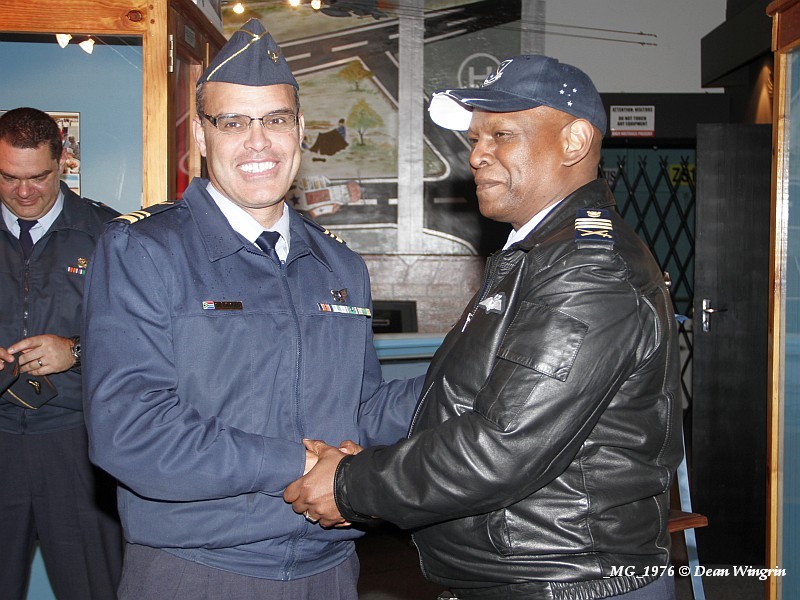
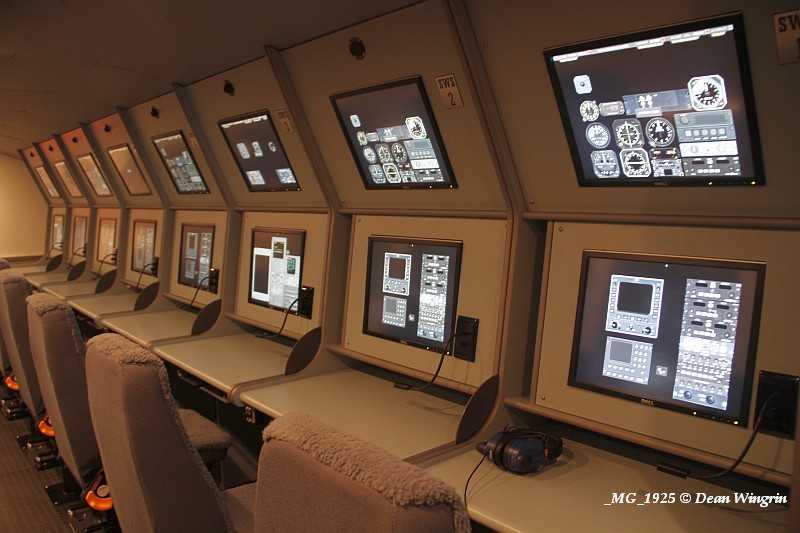
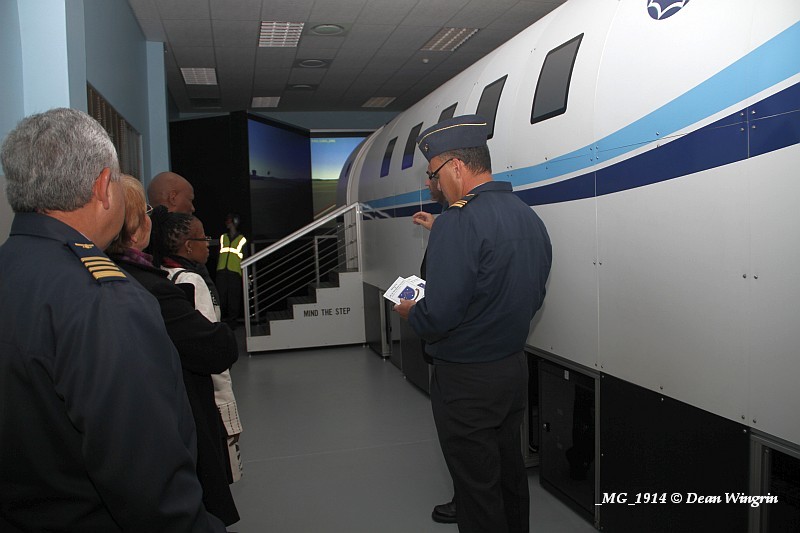
Prior to the opening of the 80 ANS display, Msimang was briefed on the activities of 80 ANS by Officer Commanding of the unit, Lt Col AJ "Cassie" de Castro. Thereafter he toured their modern training facilities, complete with computer-aided training devises and a mock-up aircraft simulator.
